Understanding Tempranillo: An Introduction
Tempranillo is a name cherished among wine connoisseurs and enthusiasts alike, often regarded as Spain’s most important grape variety. With its rich flavor profile and versatility, this grape has captured the hearts of many across the globe. In this comprehensive guide, we will delve into various facets of the Tempranillo, from its historical roots to the best food pairings. Along the journey, you’ll discover how to fully appreciate this remarkable wine—whether you are a seasoned aficionado or just beginning to explore the world of wines. If you’re keen on exploring a selection of Tempranillo wines available today, look no further than Tempranillo.
Origin and History of Tempranillo
Tempranillo, known as Tinto Fino or Tinta Roriz in various regions, has its origins deeply rooted in Spain. Vineyards have cultivated this grape for centuries, with some historical texts suggesting its presence dates back to the Phoenician traders who brought viticulture to the Iberian Peninsula. As mutations occurred and the grape evolved, it began to reveal its potential, resulting in distinct flavor profiles that showcased its adaptability to various climates and soils.
Historically, the grape gained prominence in the Rioja region, where it became the cornerstone of the region’s most famous red wines. The winemaking techniques that evolved alongside Tempranillo, particularly after the establishment of quality standards in the 20th century, have further solidified its status. In recent years, it has gained recognition not only in Spain but around the world, attracting a new generation of wine lovers keen to explore its complexities.
Characteristics of Tempranillo Grapes
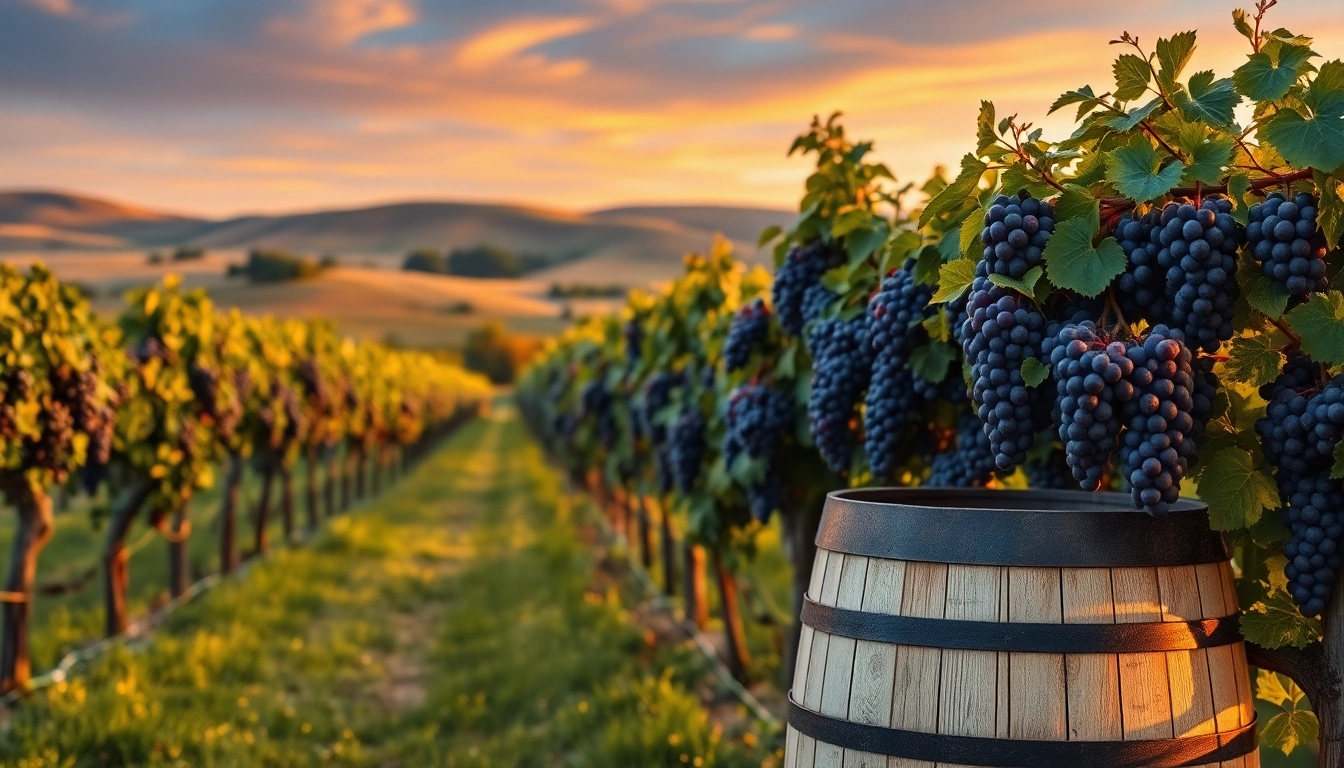
Tempranillo grapes are medium to small, thick-skinned, and have a deep blue-black color, which contributes to the rich, ruby hues seen in the final wine. The grape’s skins are loaded with tannins and flavor compounds, making it a superb candidate for aging. The berries grow best in warm climates while also demonstrating resilience in cooler conditions.
Flavor-wise, Tempranillo is often characterized by its bold cherry and plum notes, laced with hints of leather, tobacco, and vanilla when aged in oak barrels. The acidity is moderate, lending itself beautifully to a well-balanced finish. This versatility allows winemakers to experiment with various aging techniques, which can significantly influence the final product.
Regions Famous for Tempranillo
Tempranillo thrives in several key regions, each contributing its signature style.
– Rioja: The undisputed home of Tempranillo, where wines are often aged in American oak, imparting vanilla and spice accents.
– Ribera del Duero: Known for producing bolder, earthier representations of Tempranillo, often blended with other grapes to enhance complexity.
– Toro: A region gaining recognition for powerful Tempranillos with high alcohol content and deeply concentrated flavors.
– Navarra: Showcases a more approachable style of Tempranillo, often blended with Garnacha or Viura for fresh and fruity wines.
Understanding these unique regions gives you insight into the diversity and expression of Tempranillo, making each bottle a distinct experience.
Tasting Notes: What to Expect from Tempranillo
When tasting Tempranillo, the experience is nothing short of enchanting. By exploring its aroma profile, flavor dimensions, and overall mouthfeel, one can garner a deeper appreciation for this dynamic grape.
Aroma Profile of Tempranillo
The aroma of Tempranillo is multifaceted, reflecting its growing conditions and vinification processes. Expect an inviting bouquet of red fruits like cherries and strawberries, often mingling with herbal qualities reminiscent of dried herbs and spices. The wine may also exhibit earthy elements, combined with floral notes, particularly when young. As it ages, expect more complex aromas of leather, tobacco, and smoke, showcasing the transformation it undergoes in the bottle.
Flavor Dimensions and Pairing Suggestions
On the palate, Tempranillo displays a harmonious blend of fruit and earthy flavors. The initial impression often features ripe red fruit notes, giving way to layers of dark fruit as the wine opens up. Influences from the aging process can add nuances of oak, chocolate, and even coffee, making for an intricate tasting experience.
Pairing Tempranillo with food can enhance its flavors significantly. The wine’s acidity and tannin structure make it versatile; it pairs excellently with grilled meats, hearty pasta dishes, and even some vegetarian options. For instance, a Tempranillo from Rioja goes beautifully with paella, while a more robust Ribera del Duero may complement barbecued lamb effectively.
Evaluating the Body and Finish
Tempranillo exhibits a medium to full body, often described as velvety and smooth. The finish can vary widely depending on the producer and region but tends to be lingering, with tannins softening over time, especially in aged varieties. Enjoying a glass of Tempranillo provides not just a drink but an experience that evolves over time, revealing new layers with each sip.
Food Pairings: Complementing Tempranillo
When it comes to food, pairing Tempranillo can elevate any dining experience. The wine’s versatility allows it to shine alongside many cuisines and ingredients.
Best Dishes to Serve with Tempranillo
– Grilled Meats: From beef and lamb to chicken, grilled dishes create a beautiful interplay between the smoke and the wine’s flavors.
– Rich Pasta Sauces: Consider pasta tossed in a robust tomato or meat sauce. The acidity of the wine will cut through the richness.
– Mushroom Dishes: Earthy flavors complement the wine’s undertone, making mushroom risotto or stuffed mushrooms ideal pairing options.
Wine and Cheese Pairing Recommendations
Artfully choosing cheeses can amplify your Tempranillo experience:
– Aged Manchego: This Spanish cheese matches perfectly with Tempranillo’s bright acidity and fruit complexity.
– Gouda: Its creaminess and buttery flavors blend well, enhancing the wine’s soft tannins.
– Cheddar: A sharp cheddar elevates the sweet fruit notes found in some variations of Tempranillo.
Seasonal Pairing Tips for Tempranillo
– Spring/Summer: Serve with lighter meats, salads, and grilled vegetables, utilizing Tempranillo’s freshness to enliven these dishes.
– Fall/Winter: Embrace heartier meals such as stews, roasts, and even chili, as these flavors can beautifully complement the depth of aged Tempranillo.
The Art of Serving Tempranillo
To truly appreciate Tempranillo, attention must be paid to how it is served. Proper serving enhances the overall experience, ensuring each element of the wine shines.
Ideal Serving Temperatures for Tempranillo
For optimal enjoyment, it’s crucial to serve Tempranillo at the right temperature. Generally, light or young Tempranillos should be served slightly chilled, around 60-65°F, while fuller-bodied aged varieties benefit from being served closer to 65-70°F. Ensuring the right temperature strikes a balance between the wine’s acidity and tannin structure.
Glassware Selection for Optimal Experience
Choosing the appropriate glassware can dramatically affect your tasting experience. Large-bowled glasses allow for better aeration and more room for the wine’s aromas to develop. Opt for a Bordeaux-style glass, as it enhances the wine’s complex bouquet while allowing for a more voluminous sip.
Oxygenation and Decanting Best Practices
Tempranillo often benefits from proper aeration. Young wines can be decanted for 30 minutes to an hour to allow their flavors to evolve. Older, more delicate wines should await a shorter time. In general, carefully pouring the wine into a decanter allows oxygen to interact, while minimizing transferral of sediment—especially critical when serving aged varieties.
Frequently Asked Questions about Tempranillo
What foods go best with Tempranillo?
For superb pairings, enjoy grilled meats, rich pasta dishes, and tapas, especially when cheese is involved. It complements a wide range of flavors.
How should Tempranillo be stored?
Store Tempranillo in a cool, dark place, ideally at around 55°F. Ensure the bottles are horizontal to keep corks moist.
What makes Tempranillo unique compared to other wines?
Tempranillo is recognized for its versatility, offering a blend of fresh fruit and earthy notes. Its capacity for aging leads to depth and complexity.
Is Tempranillo best enjoyed young or aged?
Both options have their merits. Young wines offer vibrant fruit flavors, while aged Tempranillos reveal complex spice and leather notes.
Where can I find quality Tempranillo wines?
Quality Tempranillo wines can be sourced at wine specialty shops, online retailers, and local vineyards. Look for reputable brands for assurance.