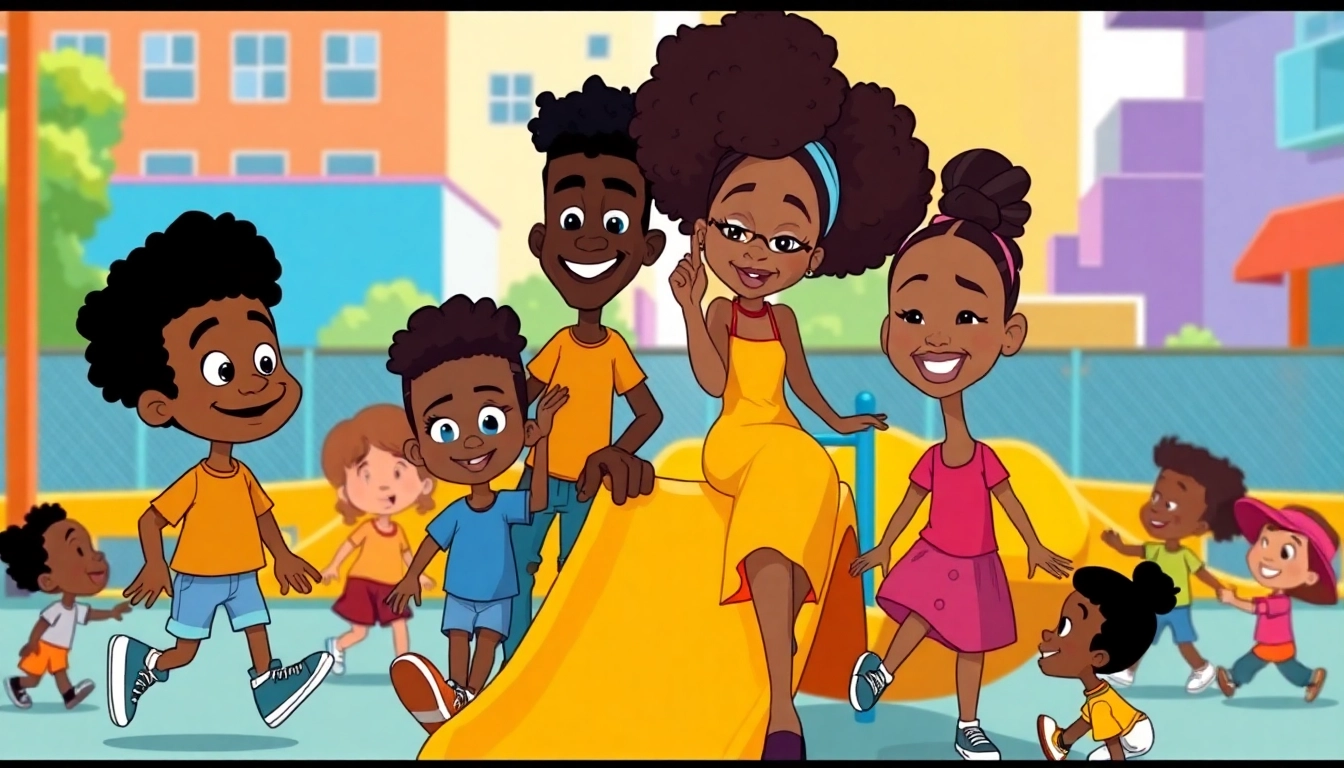
Introduction to African American Cartoons
African American cartoons have played a pivotal role in shaping the animation landscape, combining entertainment with cultural representation. From the early days of animation to contemporary series that challenge societal norms, these cartoons reflect the diverse experiences and perspectives of Black culture. As audiences become more aware of the importance of representation, the demand for quality content that resonates with their experiences has surged. In this article, we will delve into the historical context, cultural impact, and beloved series that have defined African American cartoons, offering insights into their significance in today’s media landscape. For more extensive content about African American Cartoons, African American Cartoons provides comprehensive insights.
Historical Context and Evolution
The evolution of African American cartoons can be traced back to the early 20th century, when the few representations of Black characters in animation were often steeped in stereotypes. The portrayal of characters such as “Coon” characters in film and cartoons perpetuated harmful racial caricatures. However, the landscape began to shift significantly during the latter half of the 20th century, as civil rights movements surged and demand for authentic representation grew. Pioneering series like “Fat Albert and the Cosby Kids” (1972-1985) introduced audiences to relatable characters and narratives that reflected everyday life in Black communities. This marked a significant turn towards more nuanced storytelling and character development within African American animation.
Impact on Culture and Representation
African American cartoons have not only entertained but also educated audiences about Black culture and history. These series have often tackled complex issues such as identity, community, and societal challenges faced by African Americans. Shows like “The Boondocks,” created by Aaron McGruder, provide sharp social commentary on race relations and cultural identity, resonating with viewers across demographics. Such narratives encourage conversations about race and representation that are crucial in fostering understanding and empathy among different communities.
Overview of Popular Series
Several series have garnered acclaim for their contribution to African American culture. From “The Proud Family,” which highlighted family dynamics and cultural values, to “Doc McStuffins,” a show that features an African American girl as a doctor, these series set a benchmark for diversity in children’s programming. Contemporary titles such as “Motown Magic” and “Craig of the Creek” further expand the representation of diverse backgrounds within animated storytelling, introducing new generations to the beauty of cultural diversity.
Top African American Cartoons to Watch
Timeless Classics for All Ages
Timeless classics in African American animation continue to resonate with audiences of all ages. Iconic series like “Fat Albert and the Cosby Kids,” with its heartwarming stories and memorable characters, remain influential. “The Boondocks,” though not a children’s series, remains a cultural touchstone with its incisive humor and critique of societal issues, making it relevant for adult audiences. These shows not only entertain but also serve as mirrors reflecting societal values and challenges.
Modern Favorites and New Releases
In recent years, several modern favorites have gained traction, appealing to both children and adults alike. Series such as “Big Mouth,” while primarily a teen-focused show, tackles issues of adolescence through a diverse lens, including Black characters and experiences. Shows like “Tuca & Bertie” further explore complex female friendships and societal expectations, adding depth to the conversation around gender and race. Each of these series contributes to an ever-growing assortment of options for audiences seeking relatable and diverse content.
Children’s Cartoons Promoting Diversity
The landscape of children’s programming has evolved significantly, with many contemporary cartoons focusing on diversity and representation. “Doc McStuffins,” featuring a young African American girl as the lead, has become an iconic figure for young audiences, promoting the importance of empathy and care. Similarly, “Esme & Roy” showcases diverse characters in nurturing scenarios that emphasize cooperation and friendship, reinforcing positive social values among children. These shows serve as vital tools for parents aiming to introduce their children to the richness of cultural diversity.
Iconic Characters and Their Influence
Character Development and Storytelling
Character development in African American cartoons has often mirrored the complexities of real-life experiences. Characters like Huey and Riley Freeman from “The Boondocks” are not just protagonists; they are vessels for societal critique and exploration of Black identity. This storytelling depth is essential in making these characters relatable and memorable. The nuanced portrayal of their journeys allows them to resonate with viewers, encouraging audiences to reflect on their circumstances and narratives.
Representation and Role Models
Representation in cartoons is crucial for young viewers, offering them role models they can identify with. Characters such as Penny Proud from “The Proud Family” and Doc McStuffins are pivotal, providing relatable narratives that celebrate Black culture and identity. Their success helps young audiences see themselves in various professions and situations, fostering a sense of belonging and confidence that transcends screen time.
Fan Reception and Cultural Impact
The fan reception of African American cartoons has often celebrated their cultural impact. Viewers express appreciation for series that portray authentic experiences, and online communities often engage in discussions surrounding their favorite characters and episodes. The cultural significance of these shows extends beyond entertainment; they inspire movements promoting diversity and representation across all media, demonstrating the power of animation as a platform for change.
Challenges in Animation Diversity
Barriers to Creation and Representation
Despite progress, challenges remain in the production of African American cartoons. Barriers such as funding, industry gatekeeping, and stereotypes can hinder the development of new series. Many creators face difficulties in pitching projects that reflect authentic cultural narratives in an industry that has often prioritized mainstream, cookie-cutter content. Addressing these barriers requires targeted initiatives and support for diverse creators wishing to share their stories.
Misconceptions About African American Cartoons
Misconceptions about African American cartoons often stem from a lack of understanding of their significance. Some critics may dismiss them as merely “children’s shows,” ignoring the cultural commentary and deep storytelling woven into their narratives. This misunderstanding can undermine the serious discussions these cartoons facilitate regarding race, identity, and societal issues, making it essential for viewers to appreciate the depth and breadth of these stories.
Industry Trends and Future Outlook
The future outlook for African American cartoons is promising, with industry trends indicating a growing demand for diverse storytelling. Streaming platforms are increasingly prioritizing representation, allowing for a broader array of voices to be heard. Initiatives aimed at mentoring and funding diverse creators signal a positive shift towards inclusivity in animation. As audiences continue to advocate for authentic narratives, the future of African American cartoons looks bright, with potential for a rich tapestry of stories to unfold.
Engaging with African American Cartoons
How to Introduce Them to Children
Introducing African American cartoons to children can be both enjoyable and educational. Parents can start by selecting shows that offer relatable characters and positive messages of diversity. Watching these cartoons together allows for discussion about the characters and the important lessons they convey, fostering a deeper understanding of cultural differences and shared values.
Community Events and Screenings
Community events and screenings of African American cartoons can be a fun way to engage with local audiences. Organizations often host film festivals or special screenings focused on animated content that highlights diverse narratives. These events not only provide entertainment but also serve as community-building opportunities that promote discussions around representation and diversity.
Resources for Further Exploration
For those interested in exploring more about African American cartoons, various resources are available. Websites dedicated to animation history, online forums discussing representation in media, and educational programs focusing on the significance of diversity in storytelling all provide insightful perspectives. Engaging with these resources can enhance understanding and appreciation of the cultural richness that African American cartoons contribute to the animation landscape.