
Anxiety is a common emotional experience that affects millions of people worldwide. While occasional worry is a natural part of life, persistent anxiety can interfere with daily routines, relationships, and overall well-being. Understanding Anxiety symptoms is the first step toward recognizing and managing this condition with care and compassion.
- Understanding Anxiety
- Common Anxiety Symptoms
- How Anxiety Symptoms Affect Daily Life
- Causes of Anxiety Symptoms
- Real-Life Examples of Anxiety
- Strategies to Manage Anxiety Symptoms
- Compassionate Approaches to Supporting Someone with Anxiety
- Breaking the Stigma Around Anxiety
- Real-Life Analogy: Anxiety as a Smoke Alarm
- Conclusion
- FAQs
Understanding Anxiety
Anxiety is a natural response to stress or perceived threats. It can manifest in both physical and emotional ways, often signaling that the body is on alert. Everyone experiences anxiety differently, and the severity of symptoms can vary from mild nervousness to intense fear or panic. Recognizing these symptoms early can help individuals seek the right support and prevent further complications.
Common Anxiety Symptoms
Anxiety symptoms can be divided into emotional, physical, and behavioral categories. Understanding each type helps identify anxiety more clearly.
Emotional Anxiety Symptoms
Emotional signs of anxiety are often the most noticeable. They include:
- Persistent worry or fear that is difficult to control
- Feeling restless or “on edge”
- Irritability or sudden mood changes
- Difficulty concentrating or feeling your mind goes blank
- A sense of impending danger or doom
For example, a student might feel intense worry before a test, even after preparing thoroughly. This emotional distress is a clear manifestation of anxiety.
Physical Anxiety Symptoms
Anxiety often triggers physical reactions in the body due to the “fight or flight” response. Common physical anxiety symptoms include:
- Increased heart rate or palpitations
- Shortness of breath or hyperventilation
- Muscle tension, especially in the shoulders and neck
- Sweating, trembling, or shaking
- Gastrointestinal issues, like nausea or upset stomach
- Headaches or dizziness
A real-life example could be someone giving a public speech. Their heart may race, hands may sweat, and muscles feel tense. These are physical expressions of anxiety.
Behavioral Anxiety Symptoms
Anxiety can also influence behavior. Behavioral signs often include:
- Avoidance of certain situations, such as social gatherings or crowded places
- Procrastination or difficulty completing tasks
- Changes in sleep patterns, including insomnia or restless sleep
- Nervous habits, like nail-biting or pacing
- Seeking constant reassurance from others
For instance, a teenager might avoid going to school due to social anxiety, which is a behavioral manifestation of anxiety.
How Anxiety Symptoms Affect Daily Life
Anxiety symptoms, if persistent, can interfere with various aspects of life:
- Work or School: Difficulty concentrating or completing tasks efficiently
- Relationships: Irritability and constant worry can strain friendships or family connections
- Physical Health: Chronic stress from anxiety can lead to fatigue, headaches, or weakened immunity
- Emotional Health: Anxiety often coexists with depression or low self-esteem, creating a cycle of distress
Understanding how anxiety manifests in daily life allows individuals to take proactive steps for mental well-being.
Causes of Anxiety Symptoms
Anxiety arises from multiple factors, often combining biological, psychological, and environmental influences.
Biological Factors
- Genetic predisposition to anxiety disorders
- Brain chemistry, including imbalances in neurotransmitters such as serotonin and dopamine
- Hormonal changes, like those during adolescence or pregnancy
Psychological Factors
- Personality traits, such as perfectionism or high sensitivity
- Past trauma or unresolved emotional experiences
- Chronic stress from work, school, or family issues
Environmental Factors
- Major life transitions, such as moving to a new city or changing jobs
- Exposure to stressful situations, including financial or health-related challenges
- Social pressures from peers or societal expectations
Recognizing the causes of anxiety symptoms helps in developing targeted strategies for coping and recovery.
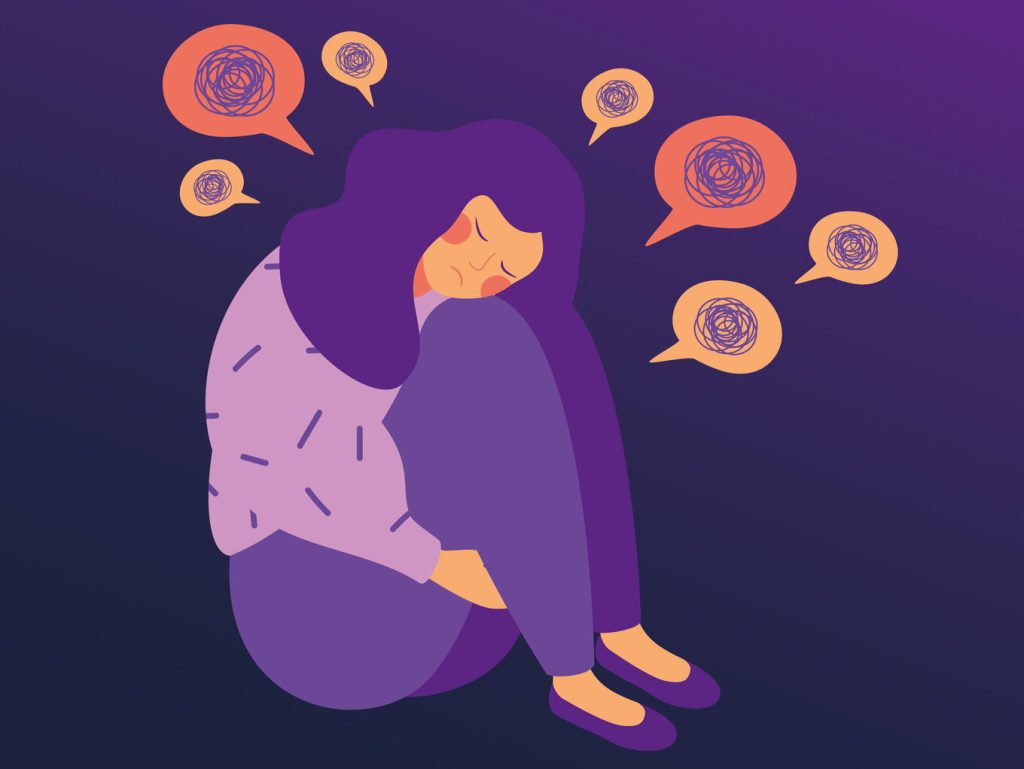
Real-Life Examples of Anxiety
Understanding anxiety through real-life examples can make symptoms easier to identify:
- Example 1: A college student experiences racing thoughts, muscle tension, and sleepless nights before an important exam.
- Example 2: A young professional avoids public speaking opportunities due to fear of judgment, showing behavioral anxiety symptoms.
- Example 3: A parent experiences constant worry about their child’s safety, with physical symptoms like rapid heartbeat and nausea.
These examples illustrate that anxiety is not a sign of weakness but a natural human response that requires understanding and support.
Strategies to Manage Anxiety Symptoms
Managing anxiety involves a combination of self-care, lifestyle changes, and professional support.
Self-Care Techniques
- Mindfulness and Meditation: Practicing mindfulness helps focus on the present and reduce excessive worry.
- Breathing Exercises: Deep breathing can calm the nervous system and reduce physical anxiety symptoms.
- Regular Physical Activity: Exercise helps release tension and improves mood through the production of endorphins.
Lifestyle Adjustments
- Healthy Diet: Consuming balanced meals can prevent blood sugar fluctuations that worsen anxiety.
- Sleep Hygiene: Establishing a consistent sleep routine improves overall emotional resilience.
- Limiting Caffeine and Alcohol: These substances can trigger or intensify anxiety symptoms.
Professional Support
- Therapy: Cognitive Behavioral Therapy (CBT) is highly effective for understanding and managing anxiety symptoms.
- Medication: In some cases, healthcare providers may prescribe medications to regulate anxiety.
- Support Groups: Sharing experiences with others who understand anxiety can provide emotional relief and practical advice.
Compassionate Approaches to Supporting Someone with Anxiety
Supporting someone with anxiety requires patience, understanding, and active listening.
- Avoid dismissing their feelings with phrases like “just relax” or “it’s all in your head.”
- Encourage them to express emotions without judgment.
- Offer practical help, like accompanying them to stressful events or helping with daily tasks.
- Promote positive reinforcement and celebrate small achievements in managing anxiety symptoms.
Breaking the Stigma Around Anxiety
One of the most important aspects of addressing anxiety symptoms is reducing the stigma associated with mental health. Open conversations, education, and empathy can make a significant difference. Encouraging others to seek help without shame fosters a culture of understanding and support.
Real-Life Analogy: Anxiety as a Smoke Alarm
Think of anxiety as a smoke alarm. Its purpose is to alert you to potential danger. Sometimes it goes off unnecessarily, but it still signals that attention is needed. Like a smoke alarm, anxiety is not the enemy—it is a protective mechanism. Learning to respond appropriately to anxiety symptoms helps keep emotional well-being intact.
Conclusion
Understanding anxiety symptoms with clarity and compassion is essential for emotional health and personal development. Recognizing the emotional, physical, and behavioral signs, along with their causes, enables individuals to seek effective coping strategies and professional support. Through mindfulness, lifestyle adjustments, therapy, and compassionate support, anxiety can be managed effectively. Everyone’s experience is unique, and approaching anxiety with empathy and patience is key to building healthier minds and resilient communities. All our latest blogs and resources are connected to our core platform.
FAQs
What are the most common anxiety symptoms?
The most common anxiety symptoms include persistent worry, restlessness, irritability, difficulty concentrating, rapid heartbeat, muscle tension, sweating, and changes in sleep patterns. These symptoms can affect daily functioning and emotional health.
How can I differentiate anxiety from normal stress?
Normal stress is often situational and temporary, such as feeling nervous before a test or presentation. Anxiety persists beyond specific events, affects multiple areas of life, and may cause physical symptoms like rapid heartbeat, sweating, or nausea even without a clear trigger.
When should I seek professional help for anxiety symptoms?
Professional help is recommended if anxiety symptoms interfere with daily life, cause significant distress, or persist for weeks or months. Therapy, support groups, and, in some cases, medication can provide effective relief and guidance for managing anxiety.