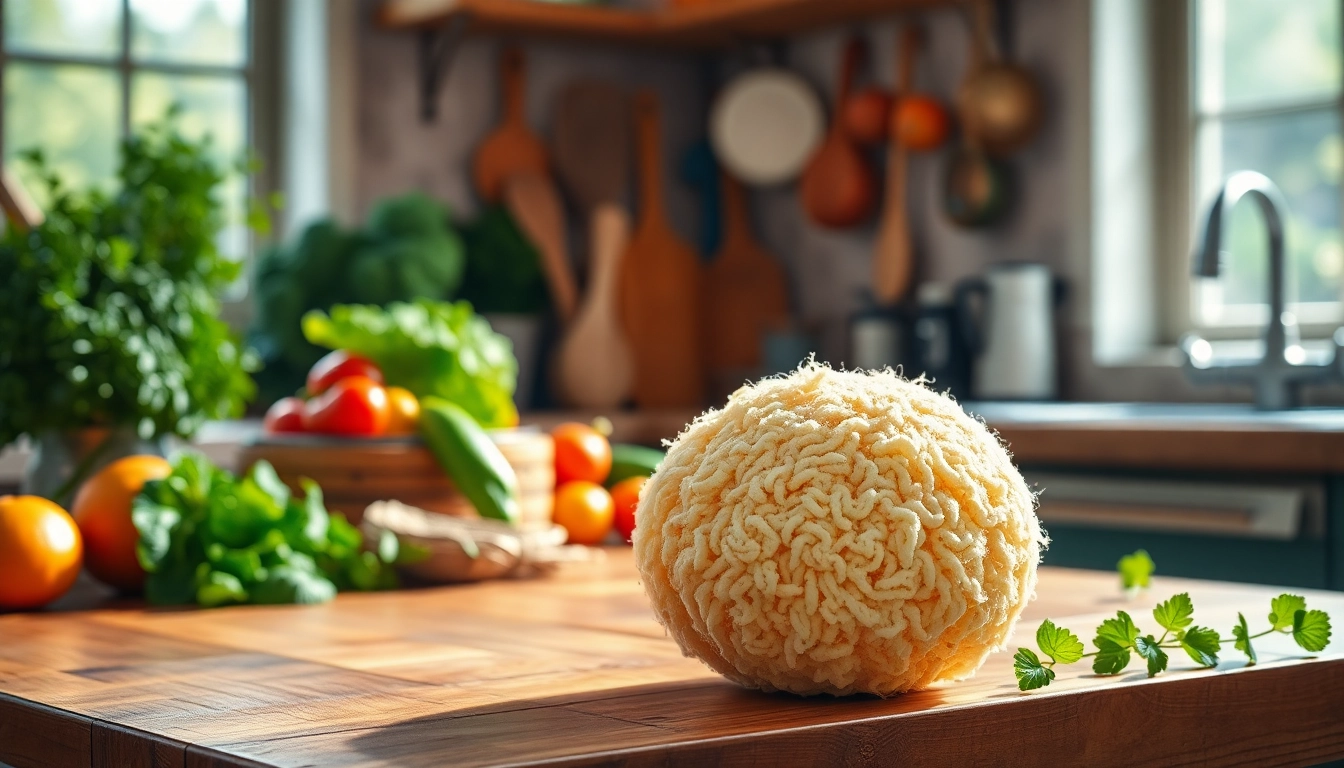
Introduction to Kitchen Loofah
The kitchen loofah is a versatile and eco-friendly tool that has recently gained popularity in modern kitchens. This natural sponge, derived from the fibrous fruit of the loofah plant, offers an array of advantages for cleaning and beyond. It has evolved from a simple scrubber to a multifunctional household item that is not only gentle on surfaces but also effective in cutting through grime and grease.
What is a Kitchen Loofah?
A kitchen loofah is made from the dried fibers of the loofah gourd. When harvested and processed correctly, it becomes a soft, spongy cleaning aid. Loofah sponges are often sorted based on their size and fiber density, allowing consumers to choose the type that best fits their cleaning needs. Unlike synthetic sponges, loofahs are biodegradable and can be composted after their life cycle is over.
Benefits of Using Kitchen Loofah
There are many benefits to integrating a kitchen loofah into your cleaning routine:
- Eco-friendliness: Made from natural materials, kitchen loofahs are biodegradable, making them a more environmentally sustainable choice compared to synthetic sponges.
- Non-toxic cleaning: Free from harmful chemicals, kitchen loofahs do not leave behind residues that can affect food safety.
- Versatility: Suitable for various surfaces, kitchen loofahs can be used on pots, pans, dishes, and even counters without scratching.
- Effective scrubbing: The texture of a kitchen loofah allows for effective scrubbing without damaging surfaces.
- Cost-effective: Given their durability and effectiveness, kitchen loofahs present long-term savings compared to frequently replaced synthetic options.
Choosing the Right Kitchen Loofah
When selecting a kitchen loofah, consider the following criteria:
- Size: Loofahs come in different sizes. Choose one that fits comfortably in your hand for better control.
- Density: A denser loofah may provide a more robust scrubbing power, while a softer one might be appropriate for delicate surfaces.
- Origin: Look for loofahs that are ethically sourced and processed without harmful chemicals for safer usage.
- Certifications: Organic certifications can help assure you that the loofah is free from chemicals and pesticides.
How to Incorporate Kitchen Loofah in Daily Cleaning
Integrating a kitchen loofah into your daily cleaning routine can significantly enhance the efficiency and effectiveness of your cleaning processes.
Effective Cleaning Techniques
Here are some effective techniques to keep in mind when using a kitchen loofah:
- Pre-soak: If using a loofah to clean tough stains, pre-soak the item in warm water mixed with a eco-friendly detergent before scrubbing.
- Scrubbing: Use a gentle scrubbing motion to avoid damaging surfaces. The texture provides effective cleaning without scratching.
- Rinse frequently: Rinse the loofah often during cleaning to remove debris and prevent buildup of grime.
- Use with natural cleaners: Combine the loofah with vinegar or baking soda for natural cleaning power, particularly for greasy surfaces.
Maintaining Your Kitchen Loofah
Proper maintenance of a kitchen loofah extends its lifespan and ensures it remains hygienic:
- Rinse thoroughly: After each use, rinse the loofah under hot water to remove food particles and detergents.
- Sanitize periodically: Soak the loofah in a mixture of water and vinegar for 15 minutes weekly to kill bacteria.
- Dry properly: Hang the loofah in a well-ventilated area to dry completely and avoid mold growth.
When to Replace Your Kitchen Loofah
A kitchen loofah can last for several weeks to months, depending on usage and care. However, you should replace it as soon as you notice:
- Odors that cannot be eliminated through cleaning.
- Visible wear and tear, such as fraying or thinning.
- Persistent stains or discoloration that do not wash out.
Kitchen Loofah vs. Other Cleaning Tools
Understanding how kitchen loofahs compare to other cleaning tools can help you make informed decisions for your cleaning needs.
Comparative Analysis
While there are many cleaning tools on the market, kitchen loofahs stand out for several reasons:
- Sustainability: Unlike synthetic sponges and scour pads, loofahs are biodegradable and based on renewable resources.
- Non-scratch properties: Many cleaning tools, such as steel wool, can scratch delicate surfaces. Kitchen loofahs provide a gentle alternative.
- Absorbency: The natural fibers in a loofah can absorb water and cleaning solutions effectively, improving its cleaning capabilities.
Cost-effectiveness of Kitchen Loofah
Kitchen loofahs are generally more cost-effective than many synthetic cleaning products. While a loofah might seem pricier upfront, its durability and the fact that it is compostable ensure long-term savings and minimal waste.
Environmental Impact of Kitchen Loofah
The loofah plant is easy to grow and does not require heavy pesticide use. In contrast to synthetic products derived from petrochemicals, kitchen loofahs represent a sustainable cleaning solution that can help reduce overall environmental impact.
Creative Uses for Kitchen Loofah
The versatility of kitchen loofahs extends beyond simple cleaning tasks. Here are some innovative uses that you can incorporate into your lifestyle:
Beyond the Sink: Other Applications
Kitchen loofahs can serve multiple purposes outside of cleaning dishes:
- Bathing: When wet, a kitchen loofah makes an excellent natural scrubber for exfoliating the skin in the shower.
- Household Décor: Dried loofahs can be painted or adorned with embellishments to create unique artisanal decor.
- Gift Wrapping: Use loofahs as eco-friendly packing material when wrapping gifts or shipping items.
Crafting Projects with Kitchen Loofah
Craft enthusiasts will find that kitchen loofahs can be transformed into various projects, such as:
- Natural sponges: Cut and shape loofahs into formats suitable for crafts or DIY projects.
- Home fragrance sachets: Fill loofah sponges with potpourri or natural fragrances to create scented sachets.
- Garden installations: Use loofah as a natural support for climbing plants in gardens.
Natural Beauty Uses for Kitchen Loofah
The kitchen loofah can also make a name for itself in beauty routines:
- Exfoliation: Use loofah for gentle exfoliation during your skincare routine, removing dead skin without harsh chemicals.
- Face scrubs: Cut smaller pieces for gentle facial cleaning and scrubbing.
- Foot scrubbers: Loofah sponges can be used on the feet to help soften calluses and promote overall foot health.
Frequently Asked Questions
What are the cleaning advantages of a kitchen loofah?
Kitchen loofahs are eco-friendly, non-toxic, and can effectively scrub away grime without scratching surfaces, making them a superior option for household cleaning.
Can a kitchen loofah be used on delicate surfaces?
Yes, kitchen loofahs are gentle and can be safely used on delicate surfaces like glassware, non-stick pans, and countertops without scratching.
How do you properly sanitize a kitchen loofah?
To sanitize, soak the loofah in a mixture of warm water and vinegar for about 15 minutes, then rinse thoroughly and dry completely to prevent mold growth.
Is a kitchen loofah eco-friendly?
Absolutely! Kitchen loofahs are biodegradable and sustainable, derived from natural plant fibers without the harmful environmental effects associated with synthetic sponges.
Where can I buy a kitchen loofah?
You can typically find kitchen loofahs at grocery stores, health food shops, eco-friendly retailers, and online marketplaces focused on natural products.