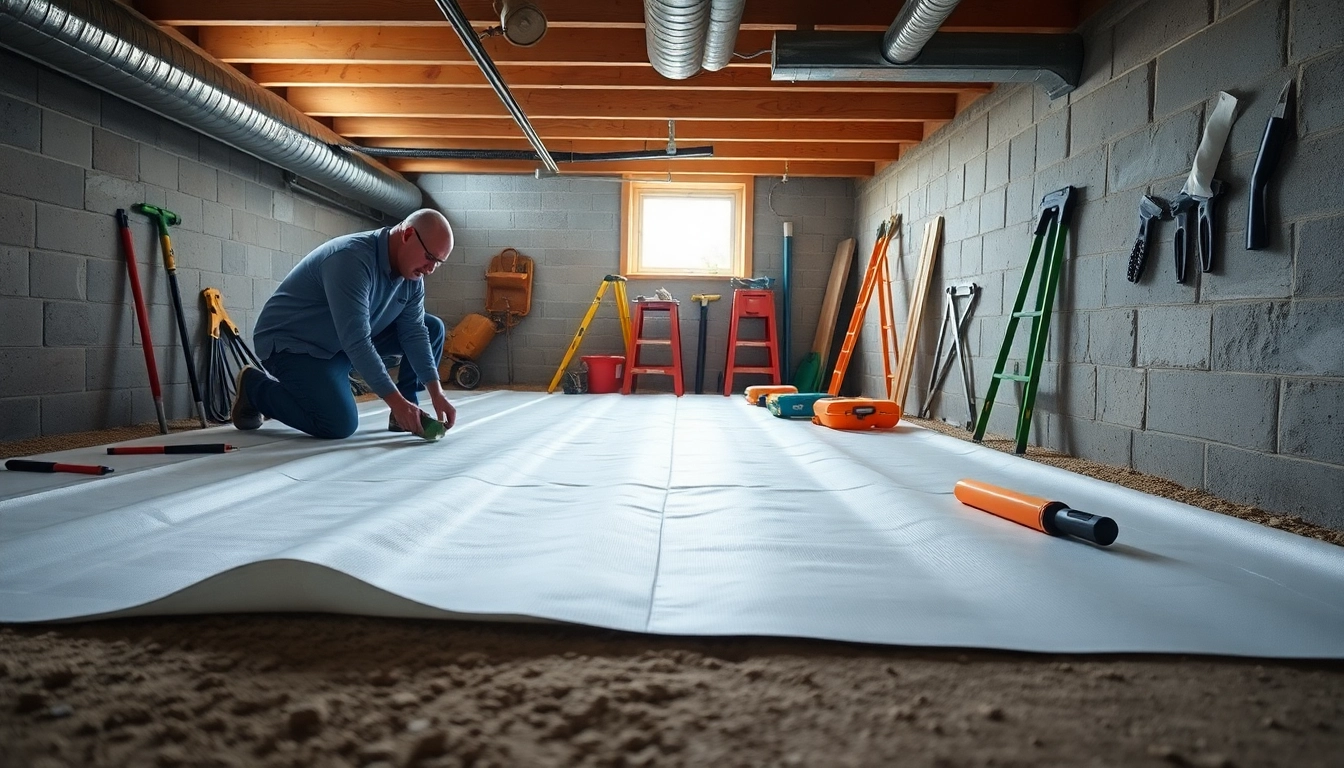
Understanding Vapor Barrier Installation
What is a Vapor Barrier?
A vapor barrier is a crucial component of a building's moisture control system, serving as a barrier to prevent moisture from penetrating walls, ceilings, and floors. Typically installed in crawl spaces, basements, and exterior walls, this barrier is commonly made from materials like polyethylene plastic, foil, or reinforced paper. Its primary function is to control the flow of moisture, protecting both the structural integrity of the building and the health of its occupants.
The Importance of Vapor Barrier Installation
Proper Vapor Barrier Installation is vital for several reasons. First, it minimizes the potential for mold and mildew growth, which can thrive in moist environments. Second, it contributes to enhanced energy efficiency by reducing drafts and temperature fluctuations. Finally, it helps maintain better indoor air quality, safeguarding the health of your family by limiting exposure to harmful airborne pathogens.
Common Materials Used in Vapor Barriers
Vapor barriers can be composed of several materials, each offering unique benefits and drawbacks. Polyethylene is perhaps the most common, available in various thicknesses, which allows for flexibility based on the specific needs of the space. Other materials can include:
- Foil: Often used in high-performance situations, it reflects heat and prevents moisture transmission effectively.
- Reinforced paper: This option is lightweight and easy to install but requires careful application to prevent tears.
- Spray-on membranes: These provide a seamless barrier but can require professional installation.
Signs Your Home Needs Vapor Barrier Installation
Identifying Moisture Issues
Moisture accumulation can lead to various problems, from structural damage to health issues. Key indicators of moisture problems can include:
- Water stains: Look for discoloration on walls or ceilings, indicating potential moisture ingress.
- Musty odors: A persistent unpleasant smell, especially in enclosed spaces, often signifies mold growth related to excess moisture.
- Condensation: Excessive condensation on windows or pipes can indicate high humidity levels.
Effects of Poor Ventilation
Poor ventilation exacerbates moisture issues and can lead to unhealthy indoor air quality. Common signs include increased humidity levels and mildew growth on walls and furniture. Ensuring proper airflow can help mitigate these issues; however, adding a vapor barrier is often a necessary step for long-term moisture control.
Common Crawl Space Problems
The crawl space is often a neglected area but can significantly impact the overall home environment. Common problems include:
- Pest infestations: Moist environments attract pests like rodents and insects, which can lead to further contamination.
- Structural damage: Excess moisture can weaken wooden structures and potentially compromise the home’s integrity.
Step-by-Step Guide to Vapor Barrier Installation
Preparing the Crawl Space
Before installing a vapor barrier, conduct a thorough inspection of your crawl space. Remove any debris, old insulation, or other materials that may obstruct the installation. Additionally, ensure drainage systems are functioning properly and repair any visible leaks.
Installing the Vapor Barrier
Follow these steps for a successful installation:
- Measure the crawl space: Accurate measurements will help you purchase the correct amount of material.
- Cut the vapor barrier: Cut your polyethylene sheeting to size, leaving a few extra inches for securing the edges.
- Lay the barrier: Spread the barrier across the ground of the crawl space, extending it up the walls slightly.
- Seal the seams: Overlap seams by at least 12 inches and use duct tape or a seaming adhesive designed for vapor barriers to securely tape these areas.
- Secure the edges: Use adhesive or fasteners to attach the barrier securely to walls, ensuring no gaps remain.
Sealing and Maintenance Tips
For optimal performance, regular inspections should be conducted at least twice yearly, checking for tears, moisture accumulation, and pest infestations. It's also important to ensure that drainage systems are kept clear. If necessary, reapply adhesive or tape to maintain a strong seal.
Benefits of Professional Vapor Barrier Installation
Enhanced Energy Efficiency
One of the most significant benefits of installing a vapor barrier is improved energy efficiency. By preventing drafts and regulating humidity levels, your heating and cooling systems can operate more efficiently, potentially leading to lower energy bills.
Reducing Mold and Mildew Risks
A well-installed vapor barrier minimizes the risk of mold and mildew growth in your home by keeping moisture at bay. This is particularly crucial in humid climates or homes with existing moisture issues, where the presence of mold can pose serious health risks.
Improved Indoor Air Quality
Controlling moisture levels leads to better indoor air quality. By limiting mold and allergens and ensuring a stable environment, homeowners can enjoy a healthier living space. This is especially important for those with respiratory conditions or allergies.
Frequently Asked Questions about Vapor Barrier Installation
How long does vapor barrier installation take?
Typically, installing a vapor barrier can take anywhere from a few hours to a day, depending on the size of the space and the complexity of the installation.
Can I install a vapor barrier myself?
While DIY installations are possible, hiring professionals is often recommended for optimal results and to ensure proper techniques are used, avoiding future issues.
What materials are best for vapor barriers?
The best materials for vapor barriers are typically heavy-duty polyethylene plastic, foil barriers for reflectivity, or reinforced paper, each serving different needs based on the environment.
How much does vapor barrier installation cost?
Costs can vary widely based on the size of the area and the materials used; averages typically range from $0.50 to $2.00 per square foot for materials and installation.
Do vapor barriers need maintenance?
Yes, regular inspections are vital for maintaining the integrity of the vapor barrier. Check for tears and moisture buildup at least twice a year, repairing any issues promptly.