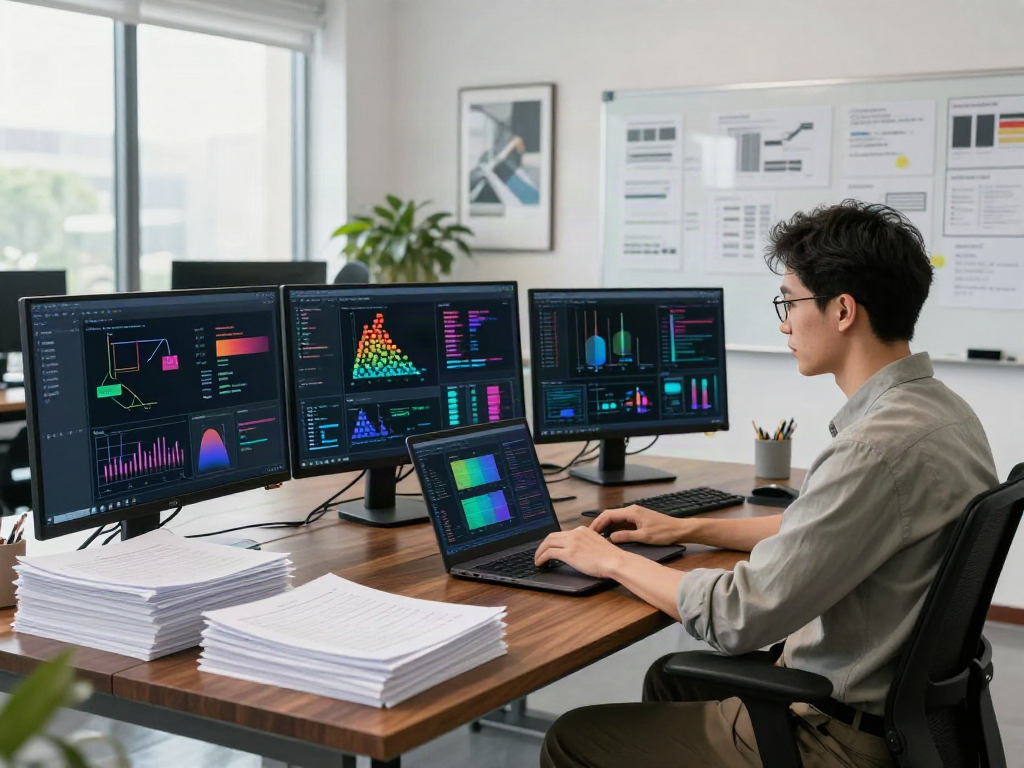
Understanding AI-Generated Image Detection
As AI technology advances, the realm of image creation has transformed dramatically. The capability of generating images through artificial intelligence (AI) has opened new avenues for creativity and innovation, but it has also raised significant concerns about authenticity and trust in visual media. This is where the concept of AI-Generated Image Detection becomes crucial. By identifying whether an image is AI-generated or human-created, we can better navigate the complex landscape of digital media, ensuring that information remains credible and reliable.
What is AI-Generated Image Detection?
AI-Generated Image Detection refers to the techniques and methodologies used to determine the origins of an image, specifically whether it has been produced by sophisticated AI algorithms or a human creator. These detection methods leverage advanced machine learning models and forensic analysis to evaluate features within images that may indicate their synthetic nature.
Detection systems often analyze pixel-level details, noise patterns, and metadata to identify inconsistencies that may not be apparent to the naked eye. As AI-generated imagery becomes increasingly indistinguishable from authentic photographs, effective detection tools are essential in various sectors, from journalism to social media.
Importance of AI-Generated Image Detection in Digital Media
In today's digital landscape, the prevalence of AI-generated images can distort reality and mislead audiences. For journalists, marketers, and content creators, distinguishing between real and synthetic images is vital for maintaining credibility and accuracy. The spread of disinformation, particularly on social media platforms, underscores the necessity for reliable detection systems.
- Combatting Misinformation: Effective detection can help mitigate the dangers posed by fake news and deepfakes.
- Protecting Brand Integrity: Brands can safeguard their image by ensuring that AI-generated content does not misrepresent them.
- Enhancing User Trust: Publishers can foster trust with audiences by ensuring the authenticity of their visual content.
Common Techniques for Identifying AI-Generated Images
Various techniques are employed in AI-generated image detection, each with its unique strengths and weaknesses. Some of the most commonly used methods include:
- Deep Learning Algorithms: These models are trained on vast datasets of both AI-generated and real images to identify distinctive features that signify synthetic production.
- Noise Analysis: AI-generated images often exhibit unnatural noise patterns compared to real photographs. Detecting these patterns can signal an image's synthetic origin.
- Metadata Examination: Analyzing an image's metadata can provide insights into its creation process, including the software used, which can hint at whether it was AI-generated.
Challenges in AI-Generated Image Detection
Limitations of Current Detection Methods
Despite advancements in AI-generated image detection, several challenges remain. One significant limitation is the rapidly evolving nature of AI technology; as new models are developed, they become more adept at mimicking human creation. This results in detection methods that may quickly become outdated if not regularly updated and trained.
Common Misconceptions about AI Image Authenticity
Many individuals mistakenly believe that AI-generated images are easily identifiable. However, as detection systems become more sophisticated, so do the methods used to create synthetic images. This misconception can lead to complacency in verifying the authenticity of images that are shared widely on social media.
Ethical Considerations in AI Image Use
The ethical implications of using AI-generated images are profound. Questions arise about ownership, consent, and the potential for deception. As AI-generated content becomes prevalent, stakeholders must consider the ethical ramifications of its use, ensuring that policies are in place to govern its application responsibly.
Best Practices for Implementing AI-Generated Image Detection
Integrating Detection Algorithms into Workflow
To effectively utilize AI-generated image detection, organizations should integrate detection algorithms into their existing workflows. This process involves selecting appropriate tools, training staff on their usage, and developing protocols for verifying the authenticity of images prior to publication.
Tools and Technologies for Effective Detection
Numerous tools are available for AI-generated image detection, each offering different features and capabilities. Some of the most prevalent tools include:
- Sightengine: Offers real-time detection of AI-generated images, helping users identify synthetic media.
- ZeroGPT: Analyzes images from various AI models, ensuring comprehensive coverage.
- DeepAI: Provides a free AI image detector, making detection accessible for all users.
Case Studies: Successful Implementation Examples
Several organizations have successfully implemented AI-generated image detection systems to enhance their credibility and protect their brands. For example, news agencies utilize these systems to verify images before publication, significantly reducing the risk of disseminating false information.
Additionally, marketing firms have adopted detection algorithms to ensure that the images they use in campaigns maintain brand integrity and do not mislead audiences. These case studies demonstrate the practical benefits of integrating detection technologies into various sectors.
Future Trends in AI-Generated Image Detection
Emerging Technologies and Techniques for 2026
As we look toward the future, several emerging technologies are poised to revolutionize AI-generated image detection. The application of quantum computing could enable faster and more accurate processing of image data, significantly enhancing detection capabilities.
Predicted Challenges in Future AI Image Detection
Despite advancements, future challenges will persist. The continuous evolution of AI models will require detection technologies to adapt dynamically. Furthermore, the increasing accessibility of image generation tools may lead to a wider proliferation of synthetic images, complicating the detection landscape.
Impact of AI Regulations on Image Detection Practices
The growing concern over the misuse of AI technology has prompted discussions about regulation. As governments develop policies governing AI-generated content, these regulations could shape the practices of image detection, compelling organizations to adopt more stringent verification methods.
Measuring Success in AI-Generated Image Detection
Key Performance Indicators for Detection Systems
To evaluate the effectiveness of an AI-generated image detection system, organizations should utilize key performance indicators (KPIs). Metrics may include detection accuracy, processing speed, and the reduction in instances of misinformation spread.
Adjusting Strategies Based on Performance Metrics
Organizations should be prepared to adjust their detection strategies based on performance metrics. Regular assessments can highlight areas needing improvement, allowing for the continuous refinement of detection processes.
Real-World Applications and Their Outcomes
Real-world applications of AI-generated image detection demonstrate its significance in various fields. For instance, educational institutions utilize detection technologies to combat academic dishonesty related to AI-generated visuals, while social media platforms develop robust systems to manage and mitigate misinformation.
What are the most common tools for AI-generated image detection?
Common tools include Sightengine, ZeroGPT, and DeepAI, each offering unique features to cater to different detection needs and audiences.
How accurate are AI-generated image detection methods?
While accuracy can vary, leading detection systems are capable of achieving high accuracy rates, often surpassing 90%, though this may fluctuate based on the specific tools and models employed.
What future developments should we expect in this field?
Future developments may involve the integration of quantum computing and the evolution of deep learning algorithms, leading to even greater accuracy and speed in detection systems.
Are there ethical implications in detecting AI-generated images?
Yes, the detection of AI-generated images raises ethical questions around ownership, consent for use, and the potential for misinformation, necessitating careful consideration and regulation.
How can businesses benefit from implementing these detection systems?
Businesses can protect their brand integrity, enhance customer trust, and reduce misinformation risks by implementing effective AI-generated image detection systems.