Understanding On-Site Videography
Defining on-site videography and its importance
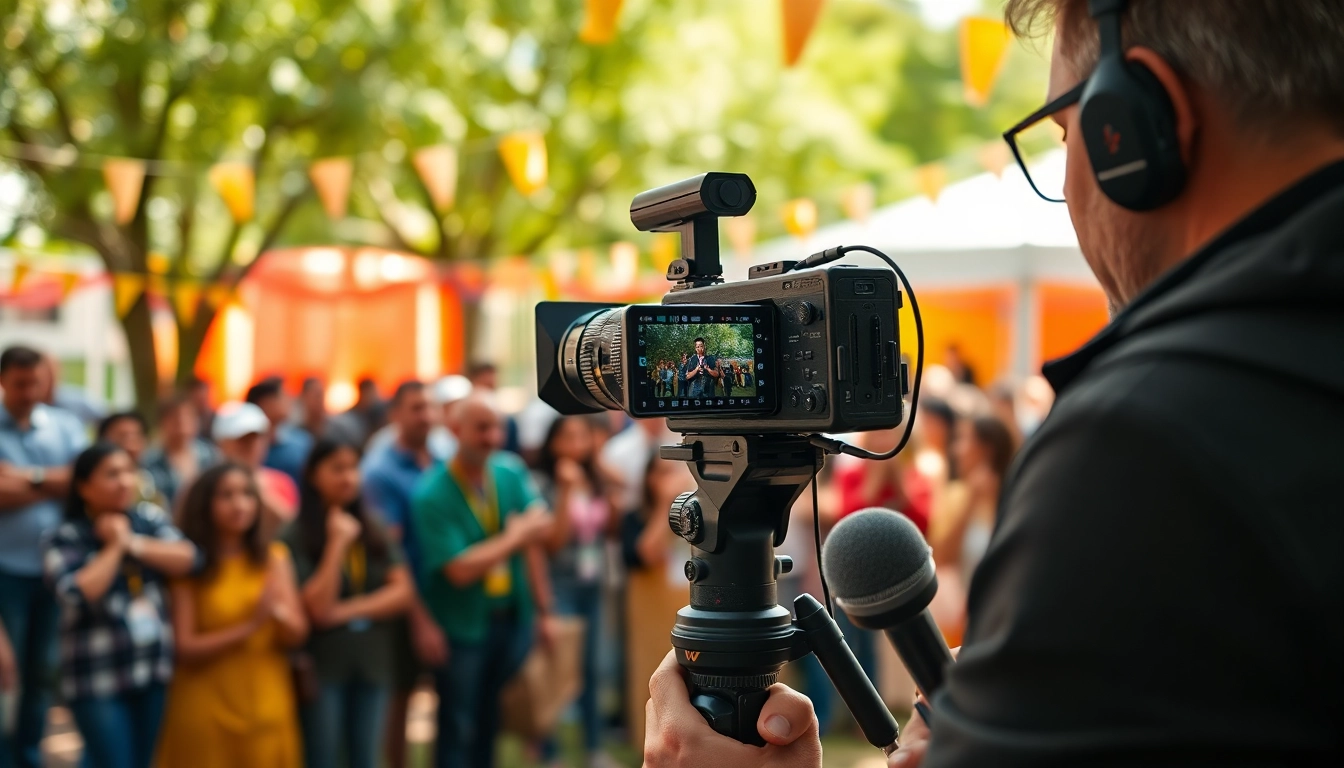
On-site videography refers to the process of capturing video content at a predetermined location rather than in a controlled studio environment. This method is particularly valuable for creating genuine, authentic content that resonates with viewers. By filming in real-world environments, videographers can capture the unique atmosphere and emotional nuances of events, testimonials, and other situational content. Understanding the essence of on-site videography is crucial for businesses and professionals aiming to enhance their communication strategies through video.
How on-site videography differs from traditional methods
Traditional videography often takes place in a studio with meticulously controlled settings, allowing for optimal lighting, sound, and camera angles. On the other hand, on-site videography embraces the spontaneity of location. This difference impacts the storytelling approach, as on-site videography involves real people and real scenarios, capturing genuine reactions and interactions. The goal is to create a narrative that feels relatable and engaging, making it easier for audiences to connect with the content.
The key benefits of on-site videography
On-site videography offers several compelling advantages:
- Authenticity: Capturing real moments in genuine settings builds trust with the audience.
- Contextual storytelling: It allows for the integration of the environment into the narrative, enhancing storytelling depth.
- Flexibility: Videographers can adapt quickly to changing conditions and capture unexpected moments.
- Audience engagement: Real-life scenarios often yield greater emotional responses and higher viewer engagement.
Essential Equipment for On-Site Videography
Recommended cameras, lenses, and accessories
Investing in the right equipment is key to achieving high-quality results in on-site videography. When selecting a camera, opt for models that offer excellent low-light performance and versatility. Popular choices include DSLRs or mirrorless cameras with interchangeable lenses. A good stabilizer is also crucial for achieving smooth footage, especially in dynamic environments.
Key equipment includes:
- Cameras: Models like the Canon EOS R or Sony A7 series.
- Lenses: A variety for different shots, including wide-angle for environmental shots and prime lenses for interviews.
- Tripods and gimbals: For stability during shoots.
- External monitors: To better frame shots in challenging conditions.
Sound equipment and lighting techniques
High-quality audio is just as crucial as video quality. Employ lapel mics for interviews or handheld mics for dynamic shooting. Consider using shotgun mics to capture focused sound from your subjects while minimizing background noise.
Effective lighting is essential for producing professional-looking videos. Natural light can be advantageous, but having portable softboxes or LED panels can help ensure consistent quality, especially during unfavorable weather conditions or indoor settings.
Preparing for different environments and scenarios
Preparation is key to successful on-site videography. Scout locations ahead of time to anticipate challenges and identify the best spots for shooting. Make a checklist that includes:
- Evaluating lighting conditions and determining the best times to shoot.
- Assessing sound environments to avoid distractions or noise interference.
- Considering the logistics of moving equipment safely and efficiently.
Best Practices for On-Site Videography
Planning and pre-production tips
Effective planning can make or break an on-site videography project. Establish clear goals for what you want to achieve with the video. Create a detailed production plan that outlines timelines, locations, and roles for each team member. This process should also include securing permits if needed and coordinating with any subjects involved in the shoot.
Directing talent and capturing great performances
Directing talent in a natural setting can be challenging. To achieve captivating performances, build rapport with your subjects, making them feel comfortable. Provide clear instructions while also allowing space for improvisation and spontaneity. Capturing candid moments can lead to some of the most engaging footage.
Post-production techniques and editing tips
Post-production is where your story truly comes together. Organize your footage meticulously, categorize it by location, scene, and take. This organization will streamline the editing process. When editing, aim for pacing that complements the story you’re telling, balancing between b-roll and primary footage to maintain audience engagement.
Creating Compelling Stories with On-Site Videography
Choosing the right narrative style for your video
Determining the narrative style for your video is integral to its effectiveness. Consider whether a documentary-style approach, which focuses on real-life events and interviews, or a more scripted storytelling approach aligns better with your goals. This choice will influence how you direct talent, choose shots, and structure the final video.
Using b-roll footage effectively
B-roll footage enhances storytelling by providing visual context and depth. It can break up longer segments of interviews or narrative content, keeping viewers engaged. When capturing b-roll, consider filming environment-wide shots as well as close-ups that highlight details related to your primary subjects or themes.
Incorporating user-generated content
User-generated content can amplify authenticity and foster community connection. Encourage audiences to share their experiences related to your content and integrate selected high-quality user submissions into your projects. This not only enriches your video but also cultivates a sense of inclusivity and engagement with your brand.
Measuring Success in On-Site Videography Projects
Key performance indicators for on-site videography
Measuring the success of your on-site videography efforts involves tracking several key performance indicators (KPIs). Metrics might include:
- Engagement rates, such as likes, shares, and comments on social media platforms.
- View counts on video hosting platforms like YouTube or Vimeo.
- Conversion rates if the video aims to drive specific actions.
Gathering feedback for continuous improvement
Gathering viewer feedback is invaluable for improving future projects. Utilize surveys or social media polls to solicit viewer opinions on aspects they liked and areas that could use enhancement. This feedback loop allows for continuous evolution in your videography approach, ensuring you remain in tune with your audience’s preferences.
Case studies demonstrating effective on-site videography
Examining case studies of effective on-site videography can provide practical insights into successful strategies. Analyze different videos, exploring their production processes, audience engagement techniques, and ultimately, their impact. Reflecting on successes (and failures) will equip you with knowledge transferable to your own projects.