What Is Visceral Fat?
Definition and Characteristics of Visceral Fat
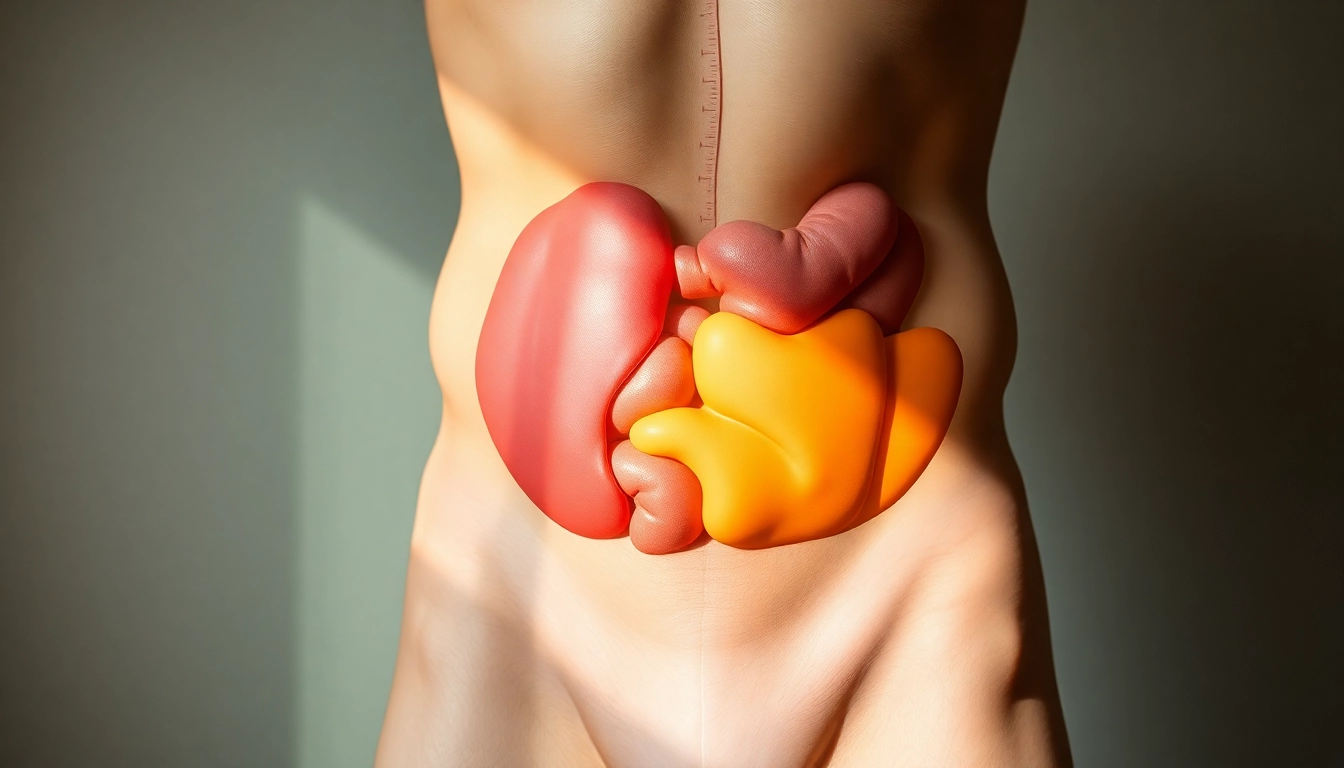
Visceral fat, often referred to as intra-abdominal fat, is a type of fat that is stored deep within the abdominal cavity, around vital organs such as the liver, pancreas, and intestines. Unlike subcutaneous fat, which is located just beneath the skin and is more visible, visceral fat is much harder to detect without medical imaging. This hidden fat is essential for providing cushioning around organs and maintaining hormonal functions. However, an excess of visceral fat can lead to serious health complications.
This type of fat is metabolically active, producing hormones and inflammatory substances that can impact cardiovascular health, insulin sensitivity, and overall metabolism. Understanding the balance of visceral fat versus body fat is crucial for assessing one’s health and risk for chronic diseases. For an in-depth look at visceral fat’s role in health, you can explore various resources, including visceral fat studies and literature.
The Anatomy of Visceral Fat in the Human Body
Located beneath the abdominal muscles, visceral fat surrounds organs and can significantly impact their function. It can influence various systems in the body, including the endocrine system by secreting hormones that regulate metabolism, and also releasing cytokines – proteins involved in inflammation. When visceral fat levels are high, it can lead to metabolic disturbances that encourage the development of conditions such as type 2 diabetes, hypertension, and dyslipidemia.
Furthermore, the composition of fat cells in visceral fat is different from those found in subcutaneous fat; they are larger and contain a higher number of receptors for glucocorticoids. This means that visceral fat can respond more aggressively to stress hormones, leading to a cycle of weight gain and increased fat storage if not managed properly.
Differences Between Visceral Fat and Subcutaneous Fat
Understanding the differences between visceral fat and subcutaneous fat is crucial for anyone trying to manage their weight or improve their health. Subcutaneous fat is found just under the skin and is the type of fat that you can pinch with your fingers. In contrast, visceral fat is located deeper in the body and is not as easily accessible. Here are some key differences:
- Location: Visceral fat surrounds internal organs, while subcutaneous fat is located beneath the skin.
- Health Risks: Excess visceral fat is linked to higher risks of cardiovascular diseases, diabetes, and various metabolic syndromes, whereas subcutaneous fat typically poses a lower risk.
- Metabolic Activity: Visceral fat is more metabolically active and produces numerous inflammatory markers and hormones that can lead to health complications.
Health Risks Associated with Visceral Fat
Link to Cardiovascular Disease and Diabetes
The presence of excess visceral fat is a significant contributor to the risk of developing cardiovascular diseases. This fat type fosters a pro-inflammatory environment within the body, increasing blood lipids and glucose levels, which can lead to atherosclerosis and hypertension. Additionally, visceral fat impacts insulin sensitivity, making it more difficult for the body to manage blood sugar levels effectively, consequently raising the risk of type 2 diabetes.
Research indicates that even individuals with a normal body mass index (BMI) can suffer from insulin resistance if they carry a substantial amount of visceral fat, emphasizing that body weight alone is not a definitive measure of health.
The Impact of Visceral Fat on Metabolism
Visceral fat adversely affects metabolism by altering the levels of various hormones and chemicals that your body produces. For example, it increases levels of free fatty acids in the bloodstream, which can lead to fat buildup in the liver and potentially cause fatty liver disease. Elevated visceral fat also correlates with increased levels of low-density lipoprotein (LDL) cholesterol and triglycerides, which can lead to metabolic syndrome—a cluster of conditions that increase the risk for heart disease and other health issues.
This disruption in normal metabolic processes may also bring about a vicious cycle where metabolic dysfunction encourages further weight gain, particularly in the abdominal region, perpetuating the problem.
Psychological Effects Related to Excess Visceral Fat
Beyond physical health risks, excess visceral fat can also result in significant psychological concerns. Many individuals struggling with weight management experience lowered self-esteem and anxiety. The notion of “belly fat” is often stigmatized in society, leading to body image issues. This emotional distress can, in turn, hinder motivation for lifestyle changes, creating an ongoing cycle of emotional eating and weight gain.
Moreover, individuals with high levels of visceral fat may find themselves more susceptible to mood disorders such as depression and anxiety, making it imperative to address both the mental and physical dimensions of health when implementing fat loss strategies.
How to Measure Visceral Fat Effectively
Methods for Assessing Visceral Fat
Measuring visceral fat accurately is essential for understanding one’s health status. While BMI is a common tool, it fails to differentiate between visceral and subcutaneous fat. Here are several methods used to assess visceral fat levels:
- Waist Measurement: A simple waist measurement can give an indication of visceral fat presence. A waist circumference of over 40 inches in men and over 35 inches in women signals a greater risk of health issues related to visceral fat.
- Bod Pod: This method uses air displacement to measure body composition, giving insights into fat levels in various body compartments.
- Bioelectrical Impedance Analysis (BIA): This technique calculates body fat percentage by passing a low electrical current through the body. While it isn’t as specific, it can provide estimates of visceral fat.
Utilizing CT and MRI Scans for Measurement
For the most accurate assessment, medical imaging techniques such as computed tomography (CT) or magnetic resonance imaging (MRI) are recommended. These scans allow for a precise view of the body’s internal structure, highlighting the amount of visceral fat present. Health professionals often reserve these methods for clinical assessments due to their cost and radiation exposure. However, they offer unparalleled insights for those at high risk of conditions linked to visceral fat.
Home Methods and Tools for Tracking Progress
While medical imaging might not be practical for everyone, there are several home methods that individuals can use to monitor visceral fat trends:
- Smart Body Scales: Many modern smart scales can estimate body composition, including visceral fat. These scales connect via Bluetooth to smartphone apps, allowing users to track changes over time.
- Online Calculators: Various online tools can help estimate visceral fat levels based on measurements like waist circumference and hip circumference.
- Regular Check-Ups: Engaging with healthcare professionals for regular check-ups can also help track any shifts in fat levels and overall health.
Strategies for Reducing Visceral Fat
Effective Dietary Changes for Fat Loss
Implementing dietary changes is a cornerstone strategy for reducing visceral fat. To effectively combat this fat type, consider the following nutritional guidelines:
- Increase Fiber Intake: Consuming more soluble fiber helps regulate insulin levels and may reduce fat storage around the abdomen. Foods such as oats, beans, lentils, fruits, and vegetables are excellent sources.
- Avoid Trans Fats: Trans fats found in many processed and fast foods are linked to the accumulation of visceral fat. Read labels and avoid hydrogenated oils.
- Embrace Whole Foods: Focus on whole, minimally processed foods that are rich in essential nutrients. Lean proteins, healthy fats, and a variety of fruits and vegetables can support overall health and aid fat reduction.
The Importance of Regular Physical Activity
Exercise is another critical element in the fight against visceral fat. A combination of aerobic and strength training exercises is recommended for optimal results:
- Aerobic Exercise: Activities like brisk walking, running, cycling, and swimming can significantly help burn calories and reduce visceral fat.
- Strength Training: Building muscle through resistance training enhances your metabolic rate, contributing to fat loss even when at rest.
- Consistency: Engaging in physical activities for at least 150 minutes per week, as recommended by health authorities, aids in maintaining a healthy weight and managing visceral fat levels.
Behavioral Changes to Support Weight Management
Sustainable weight management is not merely a product of diet and exercise alone; it also involves behavioral changes that support a healthy lifestyle. Here are several strategies that can motivate individuals to stick with their health goals:
- Set Realistic Goals: Establish achievable health and weight goals. Break down larger goals into smaller, manageable steps to avoid becoming overwhelmed.
- Practice Mindful Eating: Pay attention to what you’re eating and savor each bite. Mindful eating can significantly reduce the likelihood of overeating.
- Stay Hydrated: Drinking ample water throughout the day helps control hunger and supports overall body function.
Maintaining Long-Term Health Post-Reduction
Establishing Sustainable Lifestyle Habits
Once individuals have successfully reduced their visceral fat levels, sustaining that loss is crucial for long-term health. Developing sustainable habits such as regular physical activity, healthy eating, ongoing monitoring of waist measurements, and staying actively involved in health-related education can ensure lasting results. Keeping a food and exercise journal can also help maintain accountability and provide insights into personal patterns and triggers.
Monitoring Visceral Fat Levels Over Time
Ongoing assessment of visceral fat is vital for managing overall health. Regular check-ins on waist circumference and perhaps periodic body composition assessments can provide valuable data on whether lifestyle changes are effective. Many individuals find that while they may plateau in weight, monitoring visceral fat can show continued improvements in body composition and health.
The Role of Professional Guidance in Health Management
Consulting with healthcare professionals, such as doctors, registered dietitians, or personal trainers, can provide personalized guidance in managing visceral fat. Experts can help analyze individual health needs and create tailored plans to mitigate risks associated with excess visceral fat. Moreover, regular health screenings and follow-ups with medical professionals can help preemptively address any health concerns that may arise, thus fostering a proactive approach to health management.