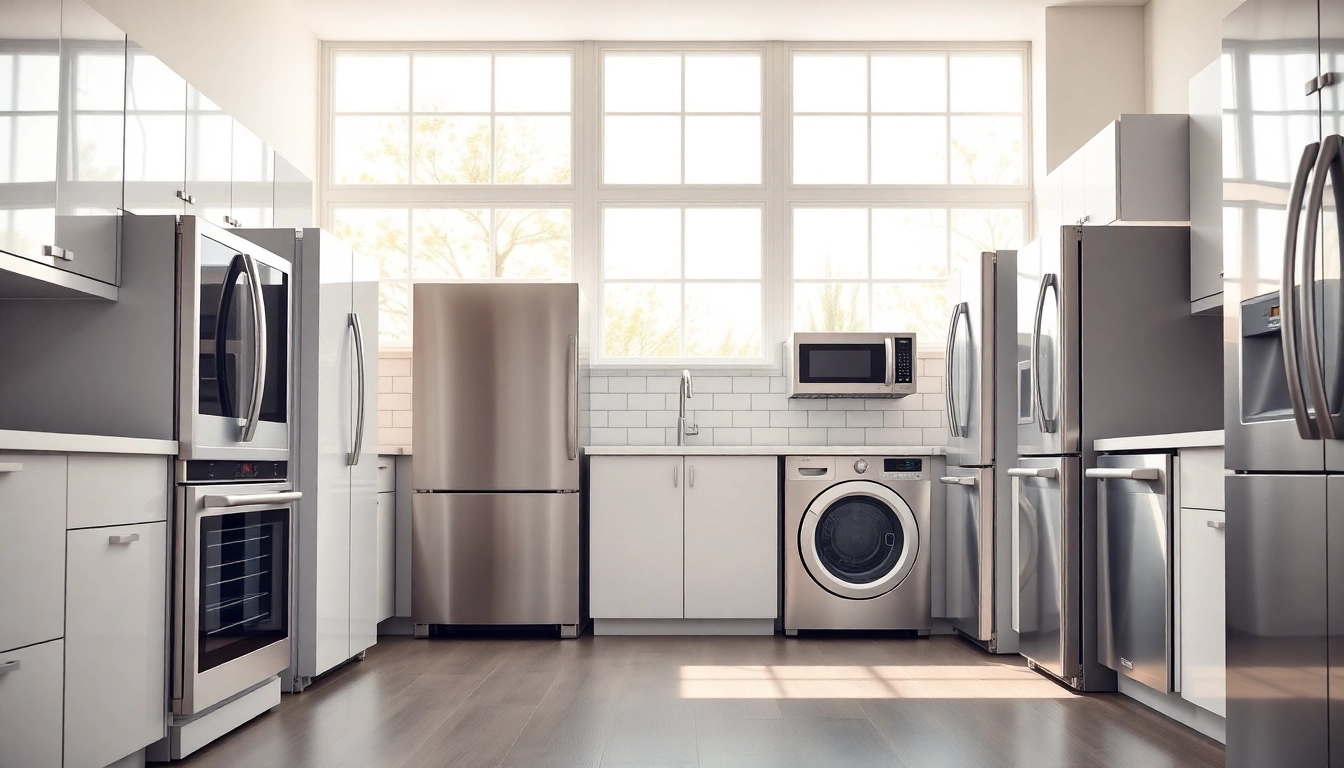
Understanding Home Appliances: A Comprehensive Guide
Home appliances are vital tools in our daily lives, as they simplify tasks and enhance the quality of living. From cooking to cleaning, these devices enable efficiency and convenience within our households. Understanding the different types and features of these appliances can lead to informed decisions that significantly impact everyday life. In this guide, we will delve into the essential aspects of home appliances, including their definitions, energy efficiency, selection tips, innovative features, maintenance requirements, and future trends. Knowledge is power, especially when it comes to investing in home appliances that will sustain our households for years to come.
Defining Home Appliances
Home appliances are categorized into major and small appliances, serving various functions within the home. Major appliances include refrigerators, stoves, and dishwashers, which are typically large and require significant investment. In contrast, small appliances like toasters, blenders, and microwaves are portable and usually have a lower price point. Regardless of their size, all home appliances play a crucial role in facilitating daily chores and improving efficiency.
The Importance of Energy Efficiency
Energy efficiency is an essential aspect of modern home appliances. The importance of energy-efficient appliances lies in their ability to reduce energy consumption and lower utility bills. Additionally, energy-efficient appliances contribute to environmental sustainability by reducing carbon footprints through decreased energy demands. When selecting home appliances, look for ENERGY STAR-certified models, which meet strict energy efficiency criteria and can save consumers significant amounts over time.
Choosing the Right Appliances for Your Space
Choosing the appropriate home appliances for your living space involves several factors, such as size, functionality, and design. Homeowners should assess their available space and consider multifunctional appliances that can serve multiple purposes while saving space. Color and design also play a vital role in creating a cohesive aesthetic in your home. Finally, think about your household’s specific needs—such as dietary restrictions, children, or pets—which can significantly influence the choice of appliances.
Main Types of Home Appliances
Refrigeration and Freezing Appliances
Refrigeration and freezing appliances are essential for food preservation. Refrigerators come in various styles, including top-freezer, bottom-freezer, side-by-side, and French door models. Each style has unique benefits, so it’s essential to assess your food storage habits to select the best option. Additionally, freezer configurations such as upright and chest freezers can offer alternative storage solutions, particularly for those who stock up on frozen goods.
Cooking Appliances: Ovens and Cooktops
Cooking appliances significantly impact meal preparation and culinary creativity. Ovens and cooktops are central to these discussions. Options like convection ovens provide even heat distribution for better baking results, while induction cooktops offer rapid cooking without heat loss. Some models even come equipped with smart technology, allowing for remote access and control via mobile devices. Evaluating cooking preferences and habits is crucial for selecting the right cooking appliances.
Cleaning Appliances: Washing Machines and Dishwashers
Cleaning appliances, such as washing machines and dishwashers, are designed to save time and labor while maintaining cleanliness. Washing machines come in different types, including front-loading and top-loading models, each with distinct advantages in terms of water usage and cleaning performance. Dishwashers have also evolved, offering various settings to accommodate diverse wash loads and enhance energy efficiency. Understanding the specific features of these appliances enables homeowners to select those that best fit their lifestyle.
Innovative Features in Modern Home Appliances
Technology Enhancements in Refrigerators
Modern refrigerators are equipped with innovative technology enhancements that elevate their functionality. Features like smart temperature controls, humidity sensors, and Wi-Fi connectivity allow homeowners to monitor and manage their refrigerators remotely. Additionally, many refrigerators now include advanced filtration systems to ensure clean water and ice. These innovations not only increase convenience but also prolong food freshness and minimize waste.
Smart Ovens and Cooking Assistance
Smart ovens are a game-changer in home cooking, equipped with sensors and connectivity features that enable automated cooking processes. They can adapt cooking times and temperatures based on the food type, ensuring perfect results every time. Some smart ovens even come with recipe integration, allowing users to select recipes that the oven can adjust according to the settings needed for each dish. This takes the guesswork out of meal preparation and adds a layer of convenience that modern households desire.
Energy-Saving Features in Washing Machines
Contemporary washing machines are designed with energy-saving features that maximize efficiency while reducing environmental impact. High-efficiency models use less water and energy compared to traditional machines while providing superior cleaning performance. Some units also have load-sensing technology, automatically adjusting water levels based on the size of the load, further contributing to efficient usage. Features like delayed start options allow users to take advantage of off-peak energy rates, enhancing cost savings.
Maintenance and Care for Your Home Appliances
Regular Cleaning Tips
Regular maintenance and cleaning of home appliances ensure their longevity and optimal performance. For refrigerators, routine cleaning of coils and interior surfaces can prevent dust buildup and odor. Ovens should have spills cleaned promptly, while washing machines benefit from occasional cleaning cycles to remove residue. Formulating a cleaning schedule helps homeowners stay organized and prolongs the life of appliances.
Common Problems and Solutions
Every appliance may occasionally face issues. For refrigerators, common problems include temperature inconsistencies, which can usually be resolved by checking the thermostat or cleaning the condenser coils. Ovens may experience heating problems; recalibrating the temperature settings often resolves this. Recognizing the initial signs of trouble can help address these issues before they escalate.
When to Call a Professional
While many appliance issues can be addressed through basic troubleshooting, some problems may require professional intervention. If an appliance shows signs of electrical malfunction, such as sparking or an unusual humming sound, contacting a professional is the safest option. Residents should also consider professional services for routine maintenance to ensure appliances run efficiently and safely.
Conclusion: Making Informed Choices in Home Appliances
Assessing Your Needs and Preferences
Before investing in new home appliances, homeowners should assess their needs and preferences thoroughly. Evaluating frequency of use, available space, and lifestyle can guide decisions to ensure that appliances fit seamlessly into daily routines. Moreover, reviewing product specifications and customer feedback can help clarify which models will best suit specific requirements.
Future Trends in Home Appliances
The industry is leaning towards seamless integration between appliances and smart home technology, promoting convenience and energy savings. Expect to see advances in smart home compatibility, allowing for enhanced control of appliances via voice and mobile apps. Sustainable designs and energy-efficient features will continue to dominate consumer preferences, aligning with an increasing focus on environmental responsibility.
Investing in Quality for Longevity
Investing in high-quality home appliances can pay off in the long term through improved performance and reduced maintenance costs. While initial prices may be higher, quality appliances often offer greater efficiency and durability. Furthermore, brands that prioritize warranty options and customer support can provide peace of mind, ensuring satisfaction over the appliance’s lifespan.
Frequently Asked Questions
What are major home appliances?
Major home appliances include large, essential devices like refrigerators, ovens, dishwashers, and washing machines, designed for fundamental household functions.
How do energy-efficient appliances work?
Energy-efficient appliances operate using less electricity or water than standard models, often utilizing advanced technology to optimize performance while minimizing consumption.
What features to look for in a washing machine?
Consider load capacity, energy efficiency, wash settings, and noise levels when selecting a washing machine to ensure it meets your family’s needs and preferences.
How often should appliances be cleaned?
Cleaning frequency varies by appliance type but generally, refrigerators should be cleaned every 3-6 months, while ovens and dishwashers benefit from monthly maintenance.
When should I replace my appliances?
Consider replacing appliances when repair costs exceed 50% of their value, or when they are over 10 years old with declining performance or energy efficiency.